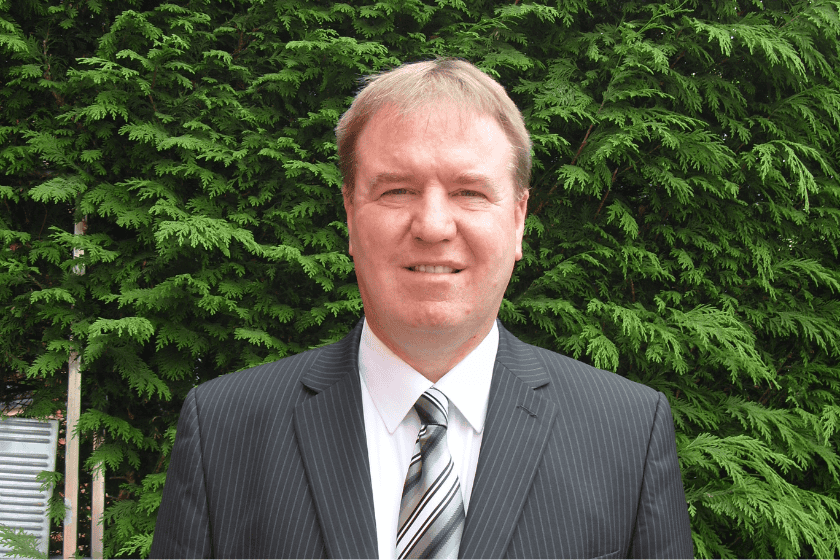
Tell us about you and your background
I started my career in banking, spending 20 years at the Royal Bank of Scotland before I grew disillusioned with the sector. I made the move into accountancy and started my own practice in 1998, which I ran for 25 years before selling it about two years ago. Now I’m semi-retired and will retire completely at the end of the year.
I became an IFA member in 2004, and was invited by the CEO to be the representative for Scotland in 2005. My practice was awarded the IFA’s UK Accountancy Practice of the Year in 2009, which recognises excellence in the sector.
What does your role as regional ambassador for Scotland entail?
As ambassador I have two principal responsibilities. The first is organising quarterly face-to-face meetings in Scotland – two in Glasgow and two in Edinburgh per year.
We aim to cover a range of topics and invite speakers—either my contacts or partners of the IFA—to share their insights. At our latest event we had a speaker talking about employee benefits, especially salary sacrifice which is particularly popular right now for lowering employers’ bills after the National Insurance hike.
The second part of the role is representing Scotland on the Members Advisory Committee (MAC), where I’m the voice of the members in Scotland.
What does the Members Advisory Committee do?
The MAC serves as a sort of board for the IFA, where we hold meetings to discuss its overall strategy and goals, and how we can make improvements. For example, one of the main aims of the IFA is to increase membership numbers and reduce the average age of members.
Over the past five years we’ve revamped our qualifications, and they’re now being recognised by many universities. Students with prior learning or relevant degrees can get exemptions from certain units required for IFA membership.
We’re optimistic that these growing partnerships with universities and colleges will help attract more young people.
What are the key issues impacting Scottish member firms?
Our Scottish member firms’ challenges are very much the same as the rest of the UK. One key issue is artificial intelligence, which everybody’s looking at – the jury’s still out on that as far as I’m concerned. Making Tax Digital is a big one too, because that’s all happening in 2026.
The other key thing – and the most pressing in my opinion – is the need for accountancy to expand out of compliance work, into advisory work.
There will come a time where some people will think they don’t need an accountant, because they can just download an app which will do their bookkeeping for them. Accounting software can now prepare year-end accounts and submit tax returns without an accountant being involved.
But most accountants do a lot more than that, providing help and advice to clients – often for free. To survive, I think they are going to have to start promoting their advisory work offer.
How can accountants build their advisory offer?
A lot of accountants say, “I know I need to get more into advisory, but I don’t know where to start.”
It’s important to package an advisory offer as a distinct service from compliance work, not as something to give away for free. However, it’s unreasonable to suddenly call a client in to offer advice and then hit them with a £500 bill.
To provide real value, you need to understand more than just their finances. By getting to know their business as a whole, you can have more meaningful conversations, help them define where they want to go, and create a clear plan to get there. Then guide and support them along that journey.
It’s more pressing than MTD, more pressing than AI. Firms that don’t offer advisory won’t be here in five years.
Duncan built an IFA approved and accredited programme called Six Steps to SuXess, which provides a methodology that helps them make that step from relying solely on compliance to building their advisory offer. For more information, email [email protected].
What’s your final advice for IFA accountants?
Of course you need a certain level of technical knowledge, but accounting is all about people and relationships. You’ve got to develop a relationship beyond just being a bookkeeping grunt, and that may mean going out and socialising with them.
My two great passions are golf and football (I’m a huge Hibs fan). Now and then, I’d take a client or prospect out for a round of golf. I’d tell the team back at the office, “If anyone calls looking for me, just say I’m on a course!”
For the last 10 to 15 years of my practice, I didn’t advertise at all. Every new client came through word of mouth. It all comes down to maintaining the respect of your clients by consistently delivering on what you promise. If your clients trust you and value your advice, they’ll recommend you to other people.
More information on the Edinburgh event on 24 June here.