At a glance
- Small Business Commissioner says late payments are improving, but continue to be a huge problem
- The UK’s smallest businesses with the smallest profit margins are impacted most
- We look at practical steps accountants can take to help tackle late invoices
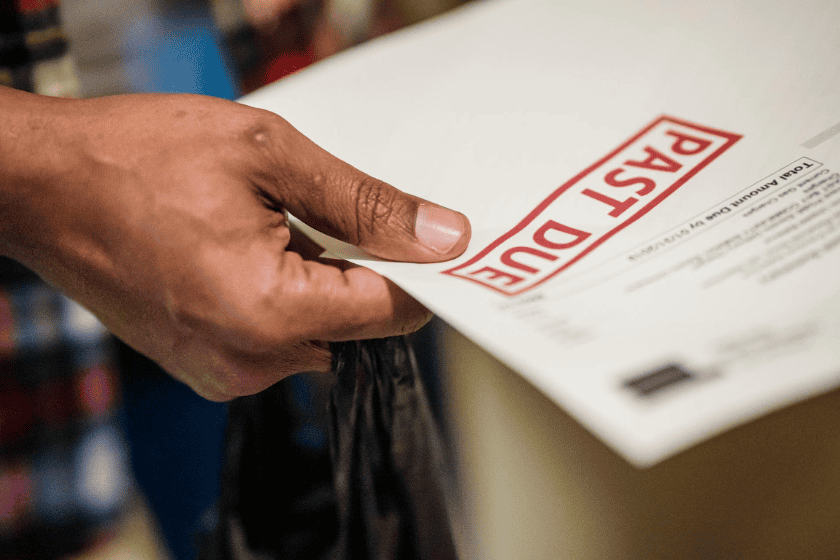
The number of overdue invoices has fallen dramatically over the last decade, mostly due to the adoption of invoicing, accounting and payments technology by customers and suppliers. However, too many small businesses are still suffering from the problem.
Almost 3 in 10 small business report having to wait too long to be paid, with government figures revealing about £26 billion is still ‘late’ at any one time.
Liz Barclay says that some of this is down to customers paying after the agreed due date, and some is down to extended payment terms. “Many small suppliers that offer ‘trade credit’ often agree to 90- or 120-day payment terms or even longer in contracts without understanding or realising they’ve done so or the impact it will have on their ability to manage their cashflow.”

“Where they have the opportunity to act as advisers, accountants could help increase clients’ understanding of the importance of getting paid quicker.”
At the IFA conference on 26 June, Barclay will speak on the topic of “Quicker Payments: Thriving Businesses”. In the lead-up to the conference, we take a closer look at the current landscape of payment terms and explore how accountants can effectively respond.
Which businesses are hit hardest?
Department for Business and Trade (DBT) research revealed that micro businesses reported being more susceptible to cash flow issues as a result of late paid invoices, with 32% of surveyed micro businesses saying they paid their suppliers late owing to their business customers paying late.
Barclay notes that the percentage of micro businesses’ turnover that’s overdue or on extended payment terms is higher than that of large, medium or even small businesses. “Micro business owners are also less likely to have cash on reserve to allow them to get through a period when money isn’t coming in as expected. They are more likely to need to borrow.”
“As the economic outlook worsens, we see bigger customers holding onto payments for longer to bolster their own financial resilience at the expense of their smaller suppliers,” says Barclay. “This is usually not intentional as the working relationships between bigger customers and their smaller supplier are very important to all businesses, but in bigger businesses people do their jobs with little understanding of the other roles in finance and so may be completely unaware of the impact on their smaller suppliers.”
Practical ways accountants can help clients tackle late payments
Dave Syers, partner at Syers McGill, a local accountancy firm near Leeds, shares some of the ways that accountants can take a proactive role in helping clients.
1. AI and automation
“We have started using AI-driven tools in our own practice to support in certain tasks and it has made a noticeable difference, not just in saving time but in freeing up headspace to focus on more valuable work.”
“For accountants advising clients with late payment issues, automation can play a big part in streamlining credit control. Auto-reminders, invoice tracking and real-time dashboards give both us and our clients quicker insight into where things stand.”
“Where they have the opportunity to act as advisers, accountants could help increase clients’ understanding of the importance of getting paid quicker.”
Liz Barclay, Small Business Commissioner
2. Workflow improvements and digital tools
“Late payments are often a symptom of inefficient systems, not just difficult customers. A solid invoicing process with clear terms, prompt sending and consistent follow-up can make a big difference.”
“We help clients look at the tools they already use, whether it is Xero, QuickBooks or something else, and make sure they are actually set up to support their cash flow properly. It is not always about shiny new tech. It is about making existing systems work harder.”
3. Digital upskilling
“It is easy to overlook how big an impact making small improvements in digital skills can have. Even helping clients get more confident using basic automation features or analytics tools can boost their control over cash flow. As accountants, we can walk clients through these steps, not just to stay compliant but to help them feel more in control and capable day to day.”
4. Hybrid working and visibility
“Hybrid working is here to stay, but a lot of smaller businesses still do not have the systems in place to manage finances confidently from anywhere. For clients dealing with late payments, having real-time access to accurate numbers whether they are at home, in an office or on the move is key. Helping them build that flexibility into their financial setup makes our job easier too and leads to better, more timely decisions.”
5. Agree reasonable terms
Finally, Barclay adds that the responsibility is on both the supplier and customer to agree reasonable terms that work for them both.
“We find that often there’s nothing in writing or payment terms aren’t included. We’d really appreciate the help of accountants to get across to customers and suppliers the importance of agreeing terms that suit all parties, writing them down and sticking to them.”
Join us for the IFA Conference, on 26 June at the grade 1 listed Royal College of Physicians building in Regent’s Park, London. More information here.